Initial Consultation: Typically up to 40 minutes (occasionally up to an hour for specific cases).
Follow-Up Consultation: Usually up to 20 minutes.
Postoperative Consultation: 10-20 minutes.
Cost details are provided when you make the appointment. Payment is required on the day of your consultation and can be made via cash, personal/bank cheque, EFTPOS, or credit card (Visa or Mastercard).
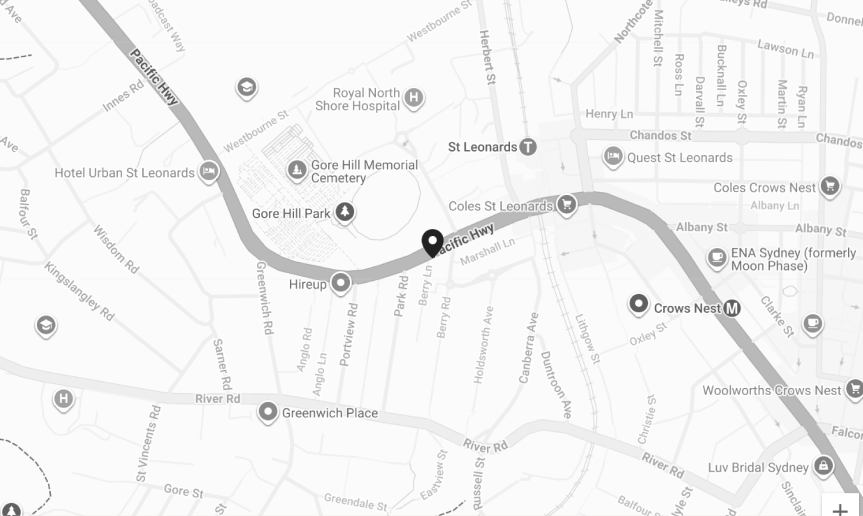
Our consultations are held at various locations. We’ll confirm the specific location with you when scheduling your appointment.
Parking details are available on our Find Us page. We provide information on nearby parking options for your convenience.
Please send in your referral via fax or email as soon as you book your appointment. Additionally, provide any relevant x-ray or scan reports related to your condition. We may request further information from your GP or ask you to undergo specific scans before your visit. Our team may also email you some pre-consultation forms or questionnaires.
Bring your referral and any recent scans or reports (x-ray, CT, MRI, bone scans, or previous procedure records like spinal injections). If possible, bring a hard or digital copy of these scans, though in some cases we can access your scans remotely—please confirm this with our staff when booking.
All appointments are arranged through our St Leonards office. Please call (02) 9436 1818 to schedule.
Initial Consultations: Typically up to 40 minutes (occasionally up to an hour for specific cases).
Follow-Up Consultations: Usually up to 20 minutes.
Postoperative Consultations: 10-20 minutes.
A valid referral from your general practitioner or another specialist is required. When booking, please have your referral and the following details ready:
Name, date of birth, phone number, email, Medicare number, and private health insurance details (if applicable).
Any relevant pension, workers' compensation, or third-party insurance information.
Yes. Patients without private health insurance may still be seen in private rooms depending on the nature of the issue. For some cases, patients may be referred to the Neurosurgical Outpatient Clinic at Royal North Shore Hospital, where our specialists and team also practice.
Yes, WorkCover patients are accepted, provided you have a referral and the necessary approval prior to your consultation.
Yes, all appointments are confirmed the day before. You will receive an SMS reminder, or a phone call if SMS is unavailable.
We understand that plans can change. We kindly ask that you provide as much notice as possible if you need to cancel. There is no charge for cancellations; however, repeated last-minute cancellations may require payment prior to future consultations.
We generally schedule surgery dates during your consultation, once we determine it’s the best course of action. Occasionally, scheduling may be delayed due to other specialists’ involvement or the need to prioritise other patients. The specific timing for each patient is typically finalised the day before surgery, based on the operating list for that day.
Yes, there are preferred accommodation providers near the hospitals. For more details, please refer to our Find Us page or the relevant hospital websites.
We’ll confirm this with you at the time of scheduling.
Spine or Peripheral Nerve Surgery: Most patients arrive on the morning of the surgery.
Brain Surgery: Patients usually come in the night before to allow for pre-surgery scans (e.g., stereotaxy scans).
Generally, you should continue taking your medications unless specifically instructed otherwise. However, blood-thinning medications (e.g., aspirin, clopidogrel, warfarin, rivaroxaban, apixaban) and some other drugs affecting blood clotting (like anti-inflammatories and fish oil) may need to be stopped before surgery. If you’re on any of these medications, please inform us to discuss appropriate guidance.
Yes, you may be asked to attend a pre-admission clinic for tests and a pre-surgical evaluation by an anaesthetist. This usually occurs within 10 days before surgery. If your procedure involves another surgeon, we may schedule an appointment with them as well.
A detailed estimate of fees will be provided at the time of booking your surgery. Costs vary depending on the specific procedure and are assessed individually.
During your consultation, we’ll go over your surgery in detail, including the procedure itself, common and uncommon risks, and what to expect. We will also provide printed information with illustrations to help explain the procedure.
If you have additional questions after booking, please don’t hesitate to contact us. Some patients may find it helpful to schedule a follow-up appointment for further discussion. We’re here to ensure you feel as comfortable and informed as possible about your surgery.
Some discomfort at the surgery site is normal. If your surgery was aimed at pain relief, you may notice improvement during your hospital stay, though recovery times vary. Pain management is a priority, and you’ll be provided with pain relief in the hospital as well as instructions for managing pain at home.
The length of your stay depends on the procedure and can range from a day visit to up to two weeks. We’ll give you an estimated timeframe before your surgery. In cases of more complex surgeries or if additional support is needed, you may require inpatient rehabilitation, which we will arrange if necessary.
For some patients, a routine overnight stay in the Intensive Care Unit (ICU) may be necessary, depending on the procedure and your health background. Occasionally, unexpected circumstances may arise that require ICU observation for longer periods.
Most surgeries are performed under general anaesthesia. In some cases, a local anaesthetic with or without sedation may be used, depending on the specific procedure. We’ll discuss the anaesthesia plan with you before your surgery to ensure you understand and are comfortable with it.
Your hospital stay depends on the type of procedure. We will provide an estimated length of stay before your surgery.
If you have additional questions after booking, please don’t hesitate to contact us. Some patients may find it helpful to schedule a follow-up appointment for further discussion. We’re here to ensure you feel as comfortable and informed as possible about your surgery.
After surgery, it’s essential to take it easy for the first few weeks. We’ll provide specific guidance on what activities are safe and what should be avoided during your initial recovery period.
This depends on your procedure:
Cranial Surgery: You will not be able to drive until you’re cleared at a follow-up, usually around six weeks post-surgery.
Spinal or Nerve Surgery: Typically, patients can resume driving approximately 2-3 weeks post-surgery, but you’ll receive a personalised recommendation before discharge.
Wound care instructions vary based on your procedure:
Cranial Surgery: Staples may need to be removed in 7-10 days, usually by your GP.
Spine Surgery: Dissolvable sutures are often used. We’ll advise on when you can wet the wound, wash your hair, and other care specifics before you leave the hospital.
Redness or discharge from the wound
Fever or worsening pain
Headaches, nausea, or vomiting (for cranial surgery patients)
If you have concerns, reach out to your GP, local emergency department, or contact the neurosurgical registrar at Royal North Shore Hospital during business hours.
We advise gentle activity, such as walking, within your comfort level for the first few weeks. Swimming is typically fine around two to three weeks post-surgery, but avoid any strenuous exercise until cleared in your follow-up.
Some discomfort is common during the healing process. We will provide pain relief to help manage this initially, and you may use over-the-counter options like Panadol as needed. Avoid anti-inflammatories such as Nurofen—contact us if you have any pain management questions.
Yes, follow-up appointments are crucial for your recovery. We will arrange a follow-up, generally within six weeks after surgery. Some patients may require additional follow-up tests or consultations, which we will coordinate as needed before you leave the hospital.
Far far away, behind the word mountains, far from the countries Vokalia and Consonantia, there live the blind texts. Separated they live in Bookmarksgrove right at the coast
Far far away, behind the word mountains, far from the countries Vokalia and Consonantia, there live the blind texts. Separated they live in Bookmarksgrove right at the coast
Far far away, behind the word mountains, far from the countries Vokalia and Consonantia, there live the blind texts. Separated they live in Bookmarksgrove right at the coast
Far far away, behind the word mountains, far from the countries Vokalia and Consonantia, there live the blind texts. Separated they live in Bookmarksgrove right at the coast
Far far away, behind the word mountains, far from the countries Vokalia and Consonantia, there live the blind texts. Separated they live in Bookmarksgrove right at the coast
Far far away, behind the word mountains, far from the countries Vokalia and Consonantia, there live the blind texts. Separated they live in Bookmarksgrove right at the coast