








Advanced assessment and surgical management of spinal conditions affecting the cervical, thoracic and lumbar spine. Services include minimally invasive spine procedures, spinal fusion and stabilisation, decompression techniques for nerve compression, and treatment of intradural tumours and vertebral metastases.

Comprehensive neurosurgical care for brain-related conditions, including brain tumours, pituitary surgery and skull base surgery. Treatment recommendations are based on detailed clinical assessment and imaging findings.
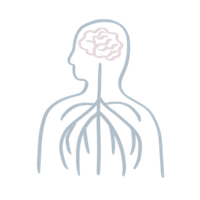
Diagnosis and surgical treatment of peripheral nerve conditions, including carpal tunnel release, ulnar neurolysis or transposition, common peroneal nerve decompression, and removal of peripheral nerve tumours.



A neurosurgeon is a specialist doctor trained to diagnose and manage conditions affecting the brain, spine and peripheral nerves. This may include problems such as brain tumours, spinal stenosis, disc herniation, nerve compression and movement disorders. Treatment can involve careful monitoring, non-surgical management or surgery depending on the condition and the patient’s individual circumstances.
No. Many conditions affecting the spine or nervous system can be managed without surgery. A neurosurgeon will first assess your symptoms, medical history and imaging to determine the most appropriate treatment options. Surgery is usually considered only when symptoms persist, neurological problems develop, or when other treatments have not been effective.
In most cases, a referral from a general practitioner or another specialist is recommended before seeing a neurosurgeon. A referral provides important medical history and allows you to access Medicare rebates if you are eligible. Your GP can also help determine whether a neurosurgical consultation is appropriate for your symptoms.
Your first consultation typically involves discussing your symptoms, reviewing your medical history and examining any imaging such as MRI or CT scans. The neurosurgeon may perform a neurological examination and explain possible causes of your symptoms. You will also have the opportunity to discuss potential treatment options, risks and expected recovery time.
All surgical procedures carry some level of risk, and the specific risks vary depending on the type of operation and the patient’s overall health. Your neurosurgeon will explain the potential risks and benefits of surgery during your consultation so that you can make an informed decision. Every effort is made to minimise complications and ensure appropriate post-operative care.
Recovery time varies depending on the procedure performed and the individual patient. Some minimally invasive procedures may involve a short hospital stay, while more complex surgeries may require longer recovery and rehabilitation. Your neurosurgeon will provide personalised guidance on activity levels, wound care and follow-up appointments after surgery.